
Trigger Finger Control
Tougher Than You Think

Zero 5 Safety Training is very fortunate to have an excellent firearms instructor in Grant Flynn. Grant has been teaching firearms in some capacity for over 20 years; whether as a battalion instructor in the Army or as a private instructor as a civilian. His real-world firefight experiences and his knack for conveying information in an understandable and retainable manner is amazing. I have worked with a ton of firearms instructors over the course of my military and civilian life and I can honestly say that he is one of the best I have ever encountered. As a firearms instructor myself, Grant is the guy I go to with questions.
Grant is going to be contributing his expertise to this Substack in the form of articles on gunfighting principles and skills, drills, and physiological/psychological aspects of fighting for your life with a firearm. I am extremely excited for Grant to share his experience and knowledge on this platform.
The Booger Hook
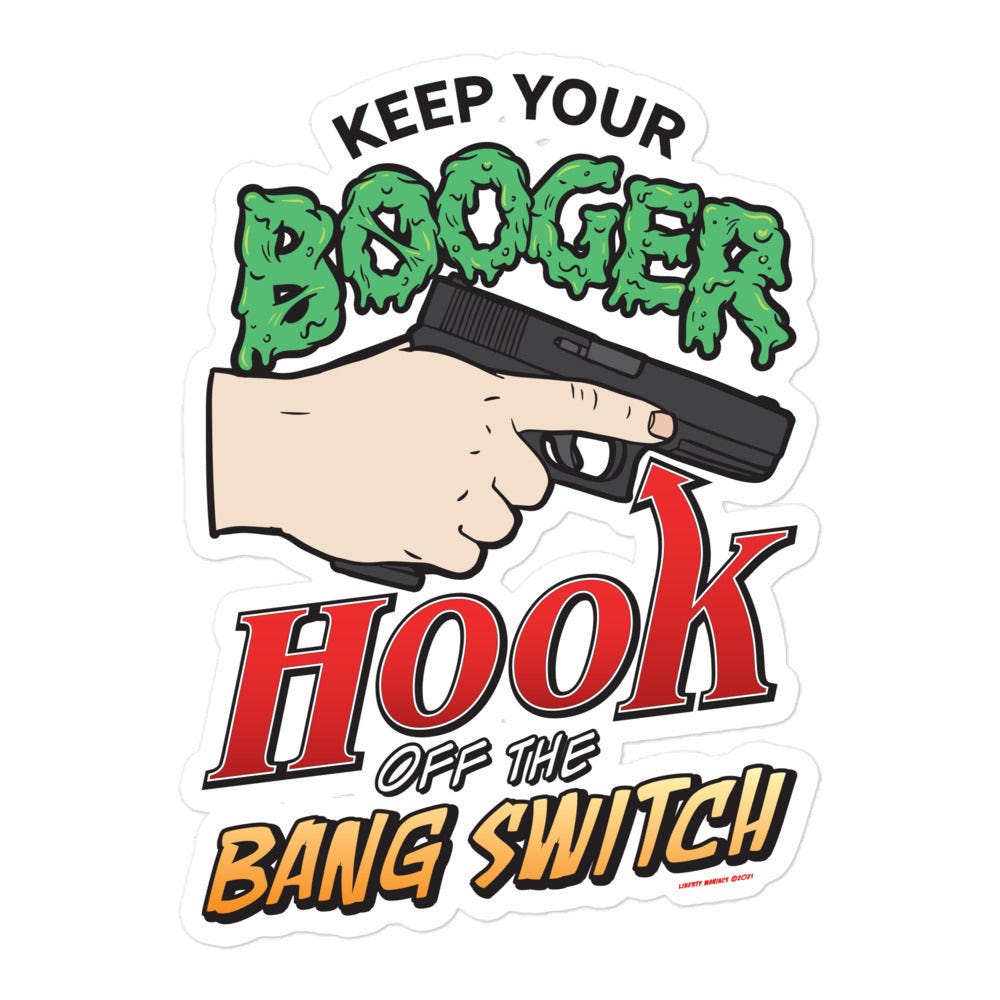
One of the principles that Grant harps on continuously is understanding what your trigger finger is doing. This is a simple task that many “experienced” shooters take for granted, and one that is extremely difficult to get new shooters to understand and adopt. The simple truth is that we all watch too many action movies and have been given the impression that the finger in the trigger guard is a normal method of holding a firearm. On the other side of that coin is the that that many who have been shooting for some time have been indoctrinated by the 4 weapons safety rules to a point that we habitually leave our fingers indexed along the frame at a time when, in a life or death gunfight, we really should be on the trigger.
The Ugly Truth
As you’ll learn from Grant over the course of his articles, the real truth of the matter is that the person who wins the gunfight is the one who gets the round(s) on target the quickest while making it difficult for the opponent to do the same. This means having your finger on the trigger in the ready position with your barrel pointed at the target (a horrible safety violation at most ranges), taking up the slack as you raise the firearm to get a sight picture, and breaking the trigger as soon as your sights are on target. It then means taking your finger off the trigger only when you know you are done shooting for that time.
Conclusion/Teaser
This is a concept that you must understand to become a good gunfighter. In the church safety world we don’t just want to be good shooters. We need to be good gunfighters. Being a good shooter may not necessarily cut it when lives are at stake at hundredths of seconds matter. In Grant’s first article he’s going to outline how to build train that process and build the correct gunfighter habits.
PROTECT HIS PEOPLE. GIVE HIM THE GLORY.
In order to keep the integrity of the trade secrets that Grant shares from being too much out in the open, his articles will be behind the paywall of a paid subscription.
Zero 5 Safety Training LLC is not a nonprofit and donations are not tax deductible.